
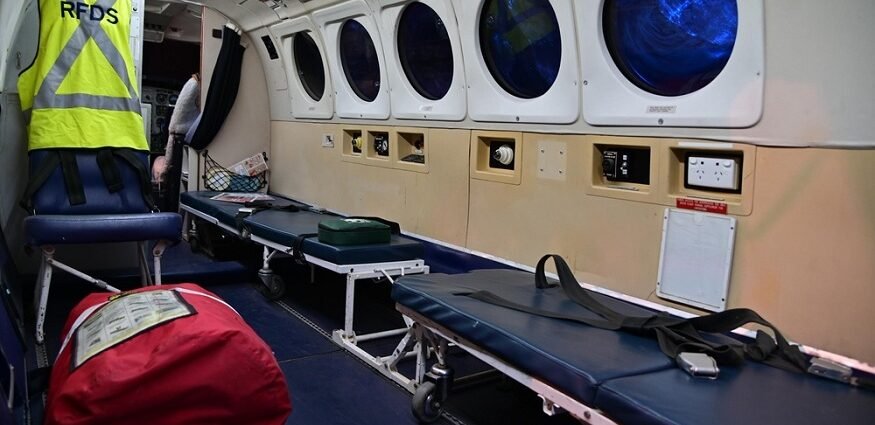
Every air medical flight starts with a choice made long before the engines turn over. The aircraft itself has to be ready to carry patients. So operators face a fork in the road. Do you take a plane or helicopter you already own and fit it out for medical work? Or do you go with an interior built for patient care right from the start?
Two Very Different Starting Points
Converting an aircraft means keeping what you have and adding to it. Crews bring in stretchers, oxygen lines, monitors, and storage. The plane still does everything it did before. Now it just does more. Building a medical interior from scratch flips the whole idea on its head. The cabin gets shaped around care first. Nothing sits in a random spot. Equipment lands where medical teams reach for it, and the whole layout supports quick movement when seconds matter.
The Money Question
Cost drives a lot of these decisions, and for good reason. Converting a plane you already own tends to be cheaper on day one. You avoid buying a whole new airframe. You pay for gear and labor, and that is it.
But the total can climb fast once the details pile up. The cost of installing medevac equipment in aircraft swings widely. It depends on which systems you choose and how tricky the job turns out to be. Partnering with a reputable provider such as LifePort offers enhanced project visibility. This leads to fewer unexpected expenses. A good partner clarifies each step, ensuring you know how your money is used. Purpose-built interiors usually ask for more money right away. Yet they can earn that back. A cabin made for constant medical use often holds up better and needs fewer fixes over the years.
Flexibility or Focus?
How you plan to fly the aircraft shapes this part. A converted plane often remains flexible. Certain setups even let crews pull the medical gear out when it is not needed. That opens the door for cargo runs or standard passenger trips using the same aircraft. Purpose-built cabins give up that flexibility. In return, they do one job extremely well. For a service running medical missions almost every day, that tight focus turns into a real advantage. Crews move faster because everything already sits where it belongs.
Read More: Benefits of Switching to a Battery-Operated Toothbrush
Safety and the People on Board
Put safety at the front of your thinking. Both options can pass tough aviation standards. Still, a purpose-built design often holds a slight edge, since engineers work out crash protection, equipment mounting, and patient access before anything gets built. Crew comfort deserves a spot in the conversation too. Long shifts drain people. A cabin with enough breathing room lets medical teams work without knocking into each other, and that ease can lift the quality of care.
Finding Your Fit
No single answer wins here. A smaller outfit watching its budget might find that converting an aircraft is exactly right. A busy air ambulance service flying back-to-back missions could benefit far more from a purpose-built interior over the long run. Be honest with yourself. How often will these medical flights happen? What can you afford now versus what you can spend later? Will the aircraft need to pull double duty?
Read More: No GP Referral, No Waiting List: A Modern Path to ADHD Clarity
Conclusion
The choice between a converted aircraft and a purpose-built medical interior really comes down to what you need. One saves money and keeps your options open. The other delivers focus and staying power. Look hard at your mission, your finances, and where you see things heading. Match the aircraft to your genuine needs, and your team will be ready to give strong care high above the ground.